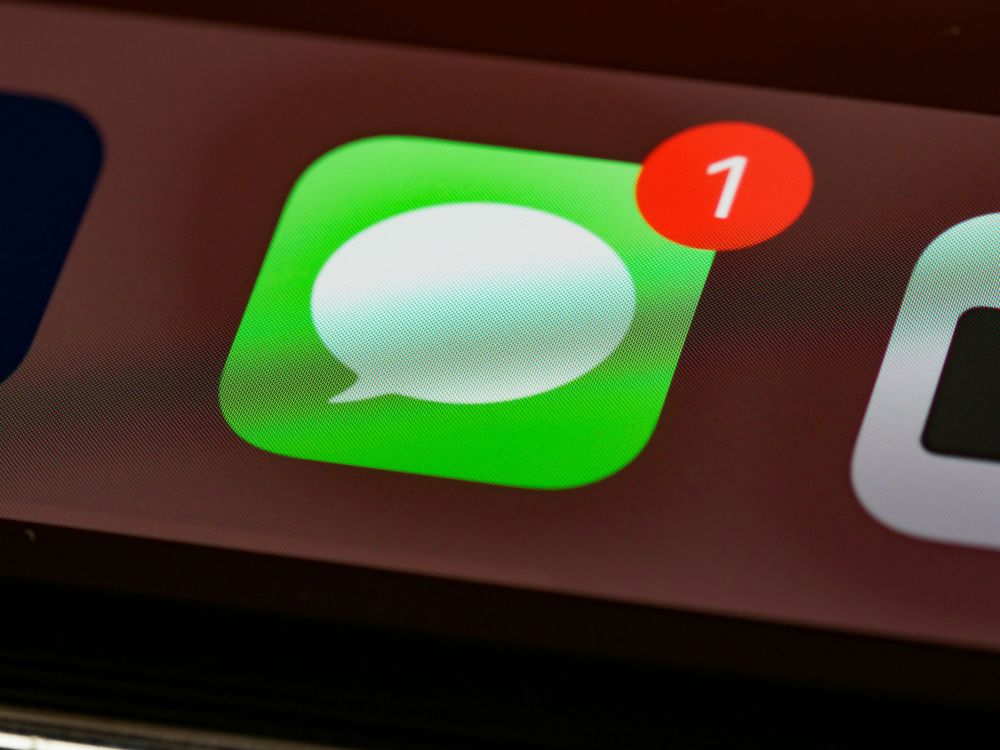
Text-message reminders have become a part of modern life. We get pings from the dry cleaner letting us know our clothes are ready and restaurants asking us to confirm reservations. People are busy, memory is imperfect, and a well-timed message can act as a helpful nudge.
Could texts also help people with higher-stakes matters, such as those related to health and wellbeing? Even when patients want to follow their care plans, taking action can prove difficult, even for straightforward tasks. Nearly half of patients do not take their medications as prescribed, for example.
Researchers have explored a variety of ways to improve medication adherence, including short message service (SMS). At Cinnamon, we see SMS as an important part of medication access and patient support, and we design our outreach recommendations to deliver support that’s timely and actionable. The evidence shows that SMS can help patients stay on therapy, particularly when messages deliver the right type of support at the right moment.
The evidence behind SMS-based patient support
In many ways, SMS is ideally suited for reaching patients where they are. It’s immediate, familiar, and easy to access, with no requirement to download another app or create a new login. SMS can also be automated, making it a scalable way to deliver support without requiring significant additional time from care teams.
Research in this area is ongoing, but a growing number of studies connect SMS-based support and improved adherence rates. One systematic review found that SMS-based interventions can support adherence among patients with diabetes, hypertension, and dyslipidemia. A separate meta-analysis of 16 randomized clinical trials found that SMS interventions significantly improved medication adherence among adults with chronic disease, increasing estimated adherence rates from roughly 50% to nearly 68%.
Other studies have shown encouraging trends in refill behavior among patients receiving SMS support, though results have not always reached statistical significance. Taken together, the evidence suggests that well-designed SMS intervention can make a meaningful difference.
Why some texts work better than others
Not just any message works. While generic reminders can help, studies have found that tailored and personal SMS interventions are more effective at improving adherence.
One study found that tailored text messages designed to address patients’ beliefs about their illness and medication significantly improved adherence. Patients who received the messages had a 10% relative average increase in adherence over follow-up, and 37.7% took more than 80% of prescribed doses compared with 23.9% in the control group. Longer-term programs also tend to outperform short-term efforts, with one review finding that interventions lasting six months or longer produced better adherence than shorter campaigns.
In other words, the value of an SMS program is not simply that a message was delivered. SMS works best when it evolves with the patient's journey rather than repeating the same reminder over and over.
Three ways SMS can help patients stay on therapy
People fall off therapy for a wide range of reasons, sometimes in combination. Some patients quit due to unexpected side effects. Others decide they can’t afford the cost of treatment. Some get discouraged when a therapy takes longer than they expected to start working. Others simply forget.
That is why SMS is most useful when it does more than send a generic reminder. Medication adherence is shaped by decisions and obstacles throughout the patient journey, and SMS gives organizations a chance to provide a more targeted type of intervention tailored to the patient.
Text messaging can support patients in three practical ways:
- Refill support: SMS reminders to refill prescriptions are among the most straightforward messages, but even these can vary quite a bit. A basic message might simply state that a refill is due. A more detailed one might include the refill date, the address of the appropriate and most convenient pharmacy for the patient, pharmacy hours, delivery or pickup options, and expected copay information. The goal is to find the right level of detail to prompt action while making the next step as easy as possible.
- Patient education: Many studies have shown that health education can improve adherence rates. A meta-analysis of health education interventions for patients with chronic communicable diseases, for example, found that education interventions made patients more than twice as likely to adhere to treatment. Remote-based interventions, including SMS, proved especially effective.
When patients understand why treatment matters and how to manage barriers that might otherwise lead them to stop, adherence goes up. For example, if a therapy typically takes several weeks to show results, an educational message can set patient expectations and encourage them not to stop too early. Relevant messages can help patients understand what a therapy may do for their health, what to expect in the short and long term, and how to manage potential side effects. - Affordability awareness: Cost is a known barrier to therapy for many patients, especially for those who require specialty medications with high price tags. Patients can abandon treatment because they assume the listed price is the only option. SMS can help by alerting eligible patients to affordability resources, whether that’s taking needed steps to get a prior authorization approved or applying for a financial assistance program. SMS could even serve as a vehicle to connect patients to immediate financial assistance, such as an electronic copay card.
How Cinnamon uses SMS to support therapy access
At Cinnamon, we take a holistic approach to medication access. Helping patients start and stay on therapy requires support across the entire journey, from simplifying prior authorizations to identifying financial assistance to keeping patients engaged after treatment begins.
SMS is a key tool we use to make that support more timely and actionable. Cinnamon helps organizations identify appropriate moments for outreach and connect patients with the right next step, whether that means things like treatment education or affordability support, both of which Cinnamon offers solutions for.
Text messages can’t solve every medication adherence issue. But when used thoughtfully as part of a broader patient support strategy, it offers a scalable way to troubleshoot both the practical and psychological barriers that can push patients off therapy. Sometimes, the right message at the right moment is enough to help a patient take the next step.