Why Pharma Needs a Unified Medication Access Ecosystem
Meet Cinnamon and the new, unified model for medication access: automating prior authorization and closing affordability gaps.


A new therapy costs $2.23 billion on average to bring to market, and often millions more invested to educate physicians on its clinical value. Yet even after scripts get written, over half of new prescriptions for novel medicines are never filled.
High prescription abandonment rates have long been accepted as a frustrating yet inevitable cost of doing business. But with the growth of specialty medications in recent years, the stakes have grown higher. When new therapies are life-altering, but never get into the hands of the people who need them, it’s an unacceptable systemic failure both for public health and the financial sustainability of the brands that develop them.
That’s why we built Cinnamon: to improve medication access by unifying the entire journey.
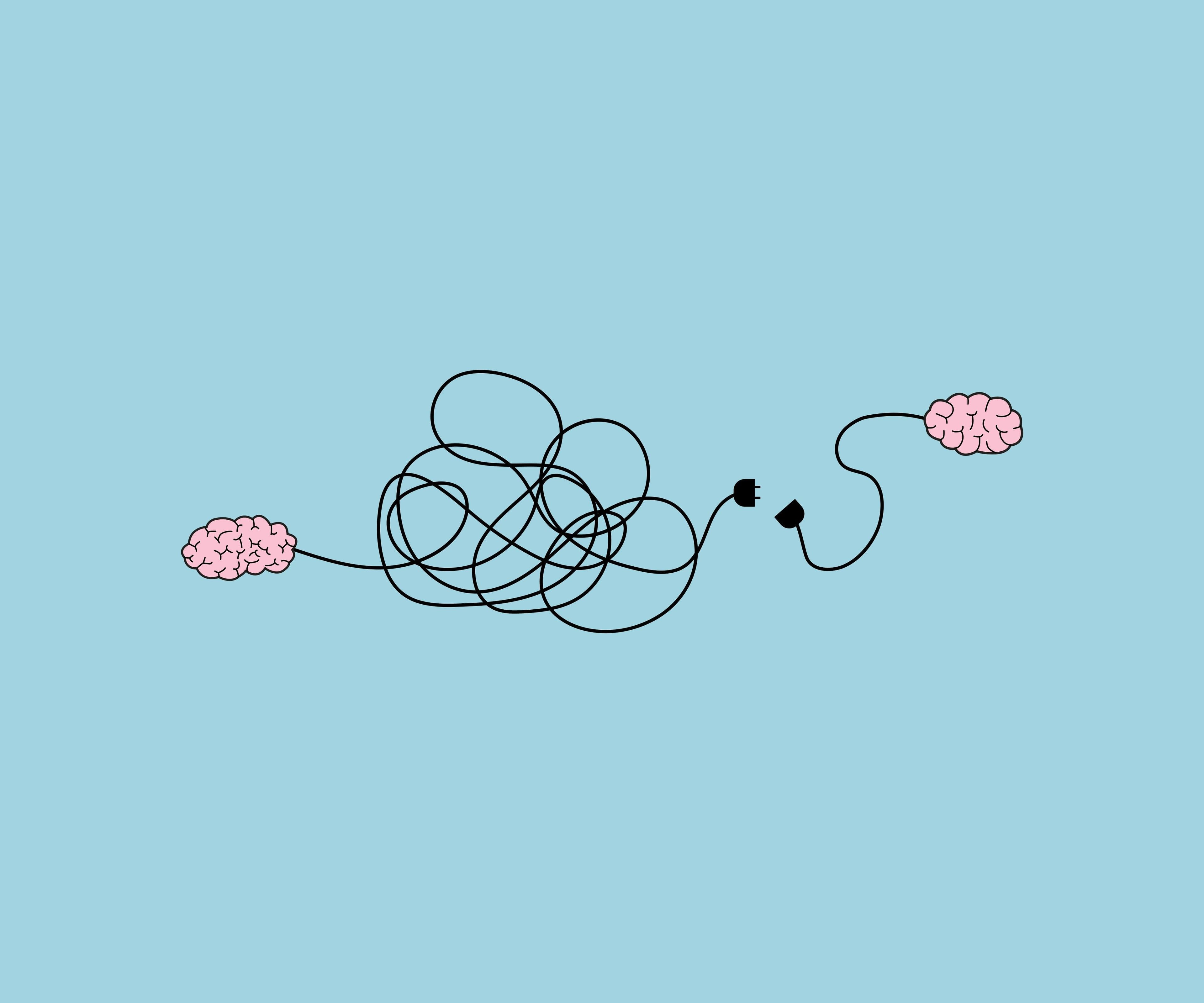
Replacing the access patchwork
In an ideal world, medication access happens as one smooth step: The doctor’s prescription arrives at the pharmacy for the patient to pick up at a predictable cost.
In reality, access is often a complex series of separate workflows, held together by providers, pharmacists, and the patients themselves doing the heavy lifting to connect it all. Hurdles to clear include benefits verification, prior authorization, affordability, and more. Unsurprisingly, many patients give up partway.
With Cinnamon, our goal is to turn medication access into one smooth step. Instead of making individual hurdles slightly easier to jump, we’re replacing the fragmented patchwork with an integrated workflow.
Here’s what we do differently:
1. Connect the entire access lifecycle in one platform
In contrast to the point solution status quo, Cinnamon offers providers a single portal for the entire access journey. Because a PA-only tool doesn’t help close the affordability gap.
We built Cinnamon to manage the whole picture. By putting the entire journey in one interface with one login, we eliminate the administrative friction that can cause specialty prescriptions to stall.
2. Automate the administrative work of prior authorizations
The rote administrative work required by PAs can take up an enormous chunk of prescriber time. A typical prescriber and their staff spend 13 hours a week specifically on PAs, and 95% of physicians say PA requirements delay necessary patient care.
Mundane work like EHR searches and document pulling continue to be completed manually. Cinnamon eases the administrative side of that workflow by pulling patient information from the EHR. Forms are automatically populated with the required information and supporting documents get collected without requiring staff to track them down. Cinnamon’s auto-population and use of AI saves time on each PA, which adds up throughout the day so users can return that time to patient care, because every minute matters.
3. Use pharmacist-trained AI to draft accurate clinical narratives
Today’s specialty therapy PAs often require clinical detail such as proof of clinical rationale for use and documented histories of failed treatments. Manually sifting through years of patient history to answer these questions is a labor-intensive process prone to human error.
Clinicians need automation to help ease this workflow, but the technology can’t be a black box. The logic and training data behind AI in healthcare shouldn’t be a mystery to clinicians.
To solve this, Cinnamon uses a pharmacist-trained AI specifically built for the nuance of payer requirements. It pulls data from the patient’s EHR to get highly accurate answers to PA questions and generate drafts. The clinician remains the final authority to review, edit, and approve every submission.
4. Close the affordability gap at the point of care
Securing a PA doesn’t help much if the patient walks away from the pharmacy because they can't afford the copay. Yet cost causes 1 in 5 U.S. adults to abandon their prescriptions. While assistance exists, it’s often left up to the clinician or patient to figure out what help is available.
In contrast, Cinnamon scans every funding layer in real time. Our Coverage Waterfall algorithm automatically looks at every possible source — primary insurance, manufacturer copay programs, foundation grants, state assistance programs, and PAPs — to find the best option.
By embedding this waterfall directly into the clinical workflow, we catch even the narrow windows of opportunity, such as foundation funds that open and close in 48 hours. The search for financial help turns into an automated part of the patient access pathway.
5. Help patients stay on therapy as long as they need
Patients who start therapy often drop off because barriers from financial hardship to coverage lapses come up. In fact, only 29% of patients on novel medicines remain on therapy after a year.
Most medication access platforms focus on getting patients started, then stop there. Cinnamon stays with them. Automated alerts at 60 and 30 days before assistance programs expire keep re-enrollment on track, and a centralized task management lets any team member pick up where another left off.
Cinnamon: The bridge across the access gap
Our technology gives health systems visibility into the approval process, for both PA and financial assistance. This increased visibility to health systems has a positive ripple effect: Health systems can offer more clarity to patients and HUB teams save time with reduced call volume.
At Cinnamon, we built the infrastructure for the modern pharmaceutical brand. We clear the administrative path so your therapy reaches as many patients as possible, as quickly as possible, for as long as they need.
Get in touch with us to see how Cinnamon can connect your brand to patients.

Want to talk?
We love hearing from operators, builders, and partners. Reach out and tell us what you're working on.
Get in touch